The Vedomosti publication interviewed experts about the sale of goods under private labels. Konstantin Dessler (MERLION), Director of the Private Labels Division, is among the speakers.
Edition: Vedomosti
Author: Margarita Sobol

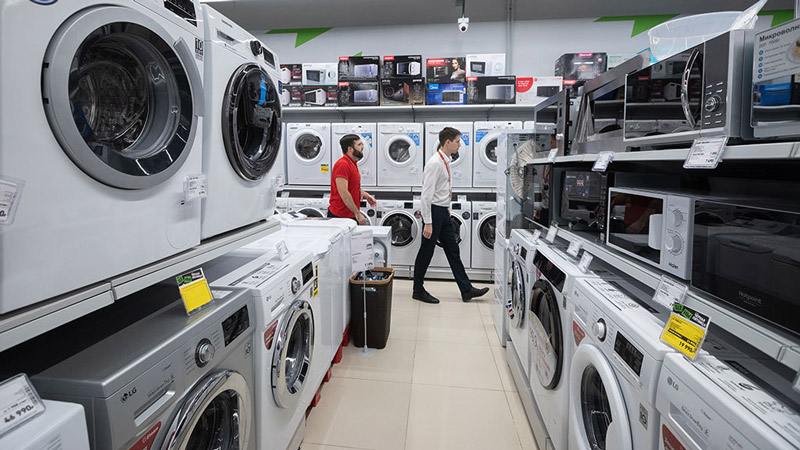
The sales of household appliances and electronics under private labels by retailers amounted to almost 60.3 billion rubles in 11 months of 2021, according to research company GfK. This is 42% more than a year earlier. Elena Pugacheva, Consultant in the Client Solutions Department for the research of the GfK Russia retail panel, notes that although branded equipment for the same period was sold for almost 1.9 trillion rubles, this segment grew 2 times slower (+21.5 % year on year). According to the forecast of Mikhail Burmistrov, CEO of Infoline-analytics, the entire market grew by 18% throughout 2021, approaching 2.6 trillion rubles.
A significant expansion in the product range under private labels due to the growth in demand for such products has also been confirmed by market participants polled by Vedomosti. For example, M.video-Eldorado has tripled the number of products under its Novex and Hi brands to almost 300 items in 33 categories, says a company representative. According to him, the demand for large and small private label household appliances has grown by 70% compared to last year, with the share of such goods in sales already reaching 30-40% in a number of segments. These include refrigerators with a top freezer (38%), 39-43-inch TV sets (over 33%), one-door refrigerators (32%), etc. By the end of 2023, M.video-Eldorado plans to increase the turnover of private labels by 6 times, the spokesperson for Vedomosti said, although not giving definite figures.
Sales of private label goods at DNS grew by about a third in 2021, says a spokesperson for the company. Last year, the retailer increased the number of product categories in this segment from 450 to more than 500, notes Maxim Efremenko, Director of Product Development for DNS private label. Now the network has seven brands, including Frau, One Two, Fiero, etc. Most private labels sell TVs and personal computers, as well as microwave ovens and washing machines. According to Efremenko, the share in sales of such products now ranges from 5% to 50%, depending on the category.
The Merlion group of companies (Citilink, Positronica, etc.) also saw a 20% increase in private label sales, says Konstantin Dessler, Director of the Private Label Division. It now has about 10 private labels in its portfolio, covering a wide range of categories, from kettles and cords for smartphones to laptops and big-screen smart TVs. However, in some growth categories, brands are losing particularly hard. For example, sales of private label kettles have more than tripled, while in general, this category has grown by only 5% compared to 2020, says a representative of M.video-Eldorado. Similar data is being observed in the TV category: sales of private labels increased by 1.5 times, rising only by 3% in the entire segment.
Private label appliances and electronics were originally associated with inexpensive goods, but some retailers say that the attitude towards them has changed in the past year. M.video-Eldorado is successfully expanding private labels not only to the most basic product categories (kettles, washing machines, etc.) but also to mainstream and premium segments, said Maksim Gusev, Director of the Household Appliances Division of the group. Such products include four-chamber refrigerators under the Novex and Hi brands (costing 30–50% less than branded goods), vacuum bots with wet cleaning function, TV sets with 65-inch screens. Dessler, Merlion's representative, agrees with this, pointing out that whereas it used to be important for a customer to buy brands from Europe or Japan, now an important role in choosing a product is played by the availability of its required functions and technologies. As a result, famous brand loyalty is declining, Dessler said. The largest Russian retailers have truly been able to significantly increase the interest of buyers in their own products, which is forming the basis for private labels development in the mid-range price segment, confirms Burmistrov.
But Hubert de Haan, the General Director of BSH Russia (Bosch, Siemens, Gaggenau, and Neff brands), believes that private labels are only successful in economic segments where consumers are very sensitive to the price of the goods. In contrast, they cannot compete with Bosch Group brands in the middle and premium price segments, since consumers in some categories prefer well-known brands. Nevertheless, private label retailers have great potential, according to Dessler. He refers to world practice: Walmart, America's largest retailer, has about 100 of its own brands, and Amazon has more than 40. Such goods compose a share of the companys' sales of up to 80% in some categories. According to him, private labels make it possible for retailers to improve margins by reducing some of the promotion costs and the number of participants and transshipment points in the supply chain. Due to rising inflation and problems with logistics, the development of a private label portfolio is indeed becoming an effective tool for both physical and online sales development, says Burmistrov. At the same time, according to him, proprietary brands can't practically compete with the gray market and marketplaces. In addition, the fact that retailers possess such products solves the problem with the lack of goods from suppliers.
All news